Insurance carriers and cargo owners have one thing in common when they wake up in the morning, both don’t want a cargo insurance claim as a part of their day. Insurance carriers don’t want to pay claims and cargo owners don’t want to collect them. Both know that the protection is necessary; both also know that while busy paying and filing claims unnecessarily we’re not all doing what we came to work for in the first place, to make money.
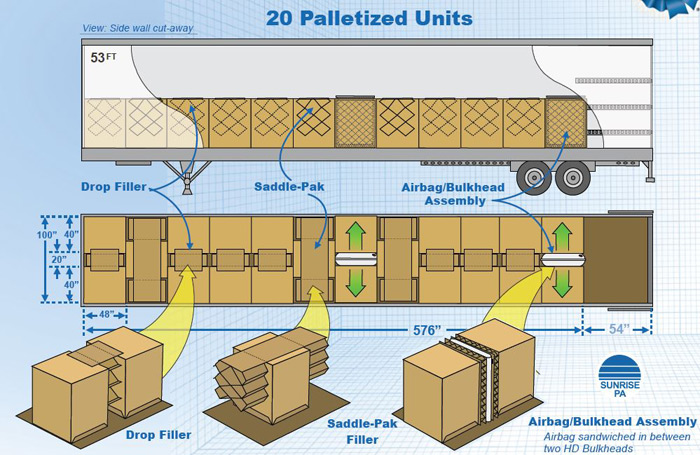
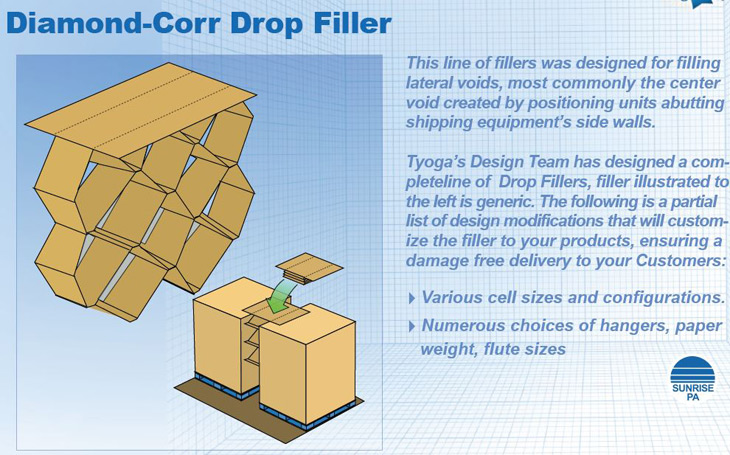
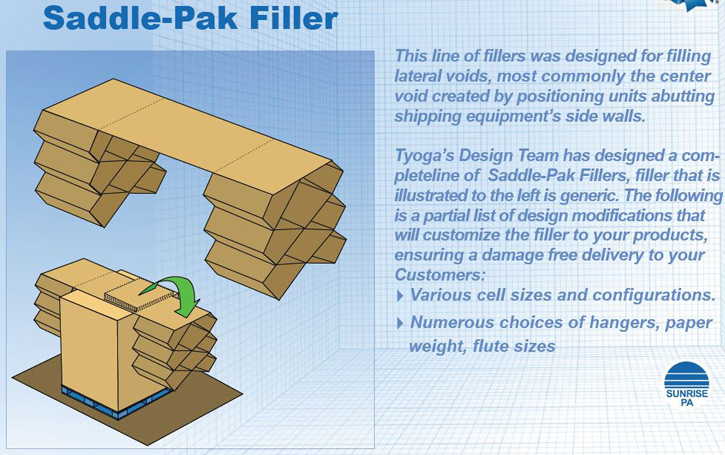
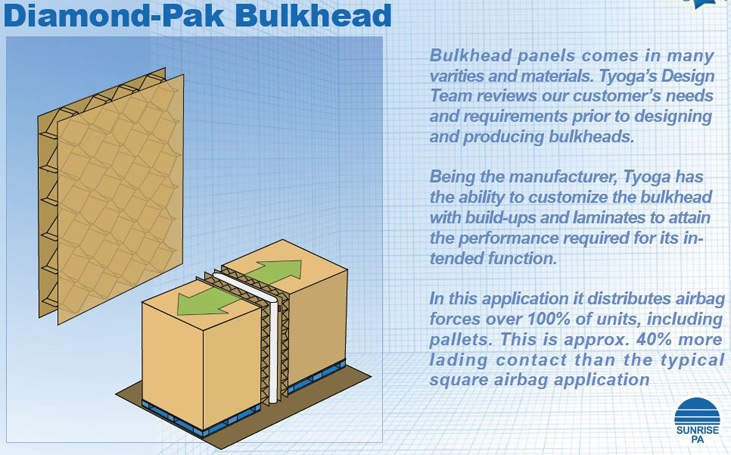
While there is no way to avoid all cargo damage, here is a helpful hint that can be implemented on the front end to save you time and money. Packaging is the one factor we can all control that will have an impact on our cargo. Improper packaging is responsible for more cargo damage then almost any other cause other then mishandling. Whether your cargo is moving across the state or across the world chances are it’s going to be exposed to one or more situations that damage can occur. If your cargo is packaged properly it can withstand many of the bumps in the road that often come with normal transportation.
Full crating with a built in solid lift surface (skid) is by far the best form of package to use to protect your cargo. Crating not only helps protect your cargo from damage, it also makes your cargo easier and safer for cargo professionals along the way to handle. While most cargo is better off crated, commodities such as machines, engines, and irregular shaped parts are most vulnerable to damage due to sharp edges and uneven surfaces. If added weight is a factor try a skeleton crating. In the case of international shipping, pay close attention to the types and condition of wood that can be used for crating.
Shipping sensitive commodities like electronics can be tricky. Plasma and flat screen TV’s are quickly becoming high volume high claim commodities. Shipping these types of items without proper packaging is a major blunder. Look for factory packaging including new cartons with clear handling directions, corner guards, all well secured to a skid underneath.
Rolls of carpet and textiles that are tendered without any type of outer packaging are not smart business. The materials can be ripped on crate edges or any hard corner and usually end up dirty or wet if exposed to the elements. Cardboard tube packaging with good end caps closed tightly will help get your valuable carpets or textiles to the consignee the way it is expected.
The above information is too limited to be used as a guide. For comprehensive packaging information follow the link provided below.